
How Contractors Reduce Call-Backs After Installations
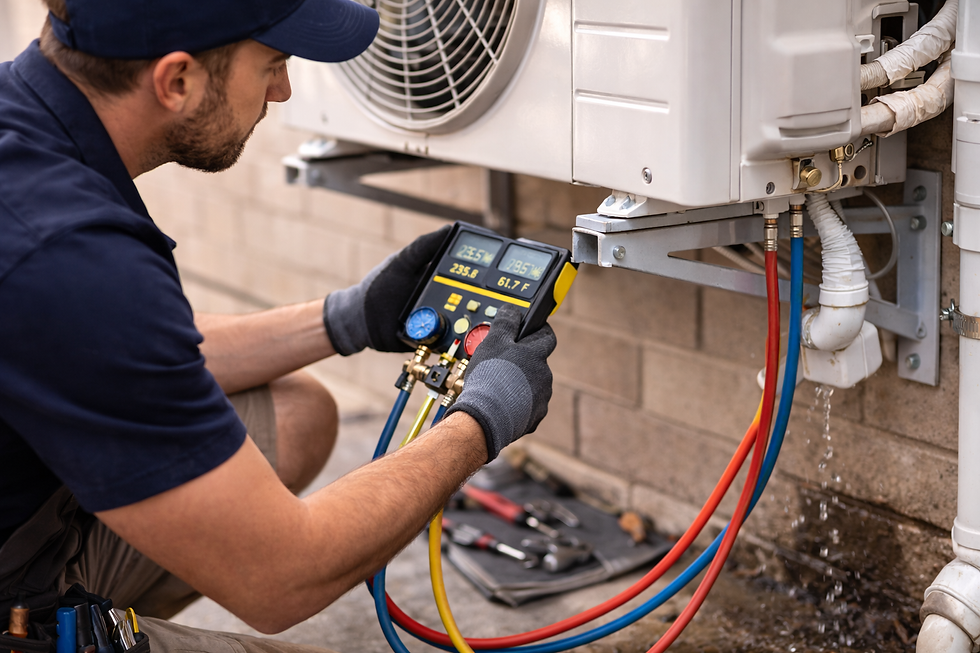
For HVAC contractors, call-backs are one of the most frustrating parts of the job.
Returning to a completed installation not only takes time away from new projects but also affects profitability. In many cases, the issues that trigger call-backs are small installation details that were overlooked during the original job.
Reducing call-backs starts with understanding where these problems typically occur.
Installation Quality Is Often the Root Cause
Many post-installation issues are related to installation quality rather than equipment failure.
Loose connections, poor drainage routing, messy pipe runs, or unstable mounting systems can all lead to performance problems over time.
These issues may not be immediately obvious during installation but can develop into larger problems once the system is operating regularly.
Proper System Testing Matters
Thorough system testing is one of the simplest ways to reduce call-backs.
Checking refrigerant pressures, verifying electrical connections, and ensuring drainage systems function correctly allows contractors to identify potential issues before leaving the site.
This extra step often prevents problems that might otherwise appear weeks later.
Clean Installations Are Easier to Maintain
Organised installations make servicing easier in the future.
When pipework, wiring, and ducting are installed neatly and securely, technicians can quickly identify potential issues during routine maintenance.
Messy installations often hide problems that can develop unnoticed over time.
The Value of Consistent Installation Practices
Many successful contractors follow consistent installation standards across all their projects.
By developing reliable workflows and using quality installation components, they can reduce variability between installations and achieve more predictable results.
This consistency helps minimise the small mistakes that often lead to call-backs.
Across the HVAC industry, installers are increasingly recognising the importance of installation accessories and system organisation in preventing post-installation issues.
At iTemp, we regularly hear from contractors looking for installation solutions that help them deliver reliable installations with fewer call-backs.
If you’re a wholesaler looking to stock smarter HVAC installation solutions, our team is always happy to chat.


This article highlights a crucial aspect of the HVAC industry. The frequency of call-backs can severely impact efficiency and financial health. Many of the issues stem from overlooked installation details, suggesting that a more disciplined approach could mitigate these problems effectively. The mention of thorough system testing resonates, indicating that practices akin to a Rocket launch checklist can prevent costly future failures.
The article highlights a crucial aspect of HVAC work where attention to detail can significantly influence the prevalence of call-backs. It's interesting how factors like messy installations and overlooked connections can lead to headaches later. Betonred plays a role in addressing these issues by ensuring a more streamlined and reliable installation process. Implementing better organization and quality components is essential for industry professionals aiming for longevity in their systems.
From the available evidence, the conclusions are proportional to the evidence presented. The use of hedging language reflects genuine epistemic care. The website offers an extended treatment of the underlying themes. Contextual breadth is expanded through interactive service frameworks.